MBBS – Pravara Medical College, Loni, Maharashtra, December 2009
DVD – Dermatology, D Y Patil Medical College and Research Centre, Nerul, Navi Mumbai, July 2012, under the guidance of Dr. Nitin Nadkarni and Dr. Sharmila Patil.
Chemical Peel For Pigmentation Apex Clinic Led By Dr.Neha Rajesh Rathi is a trusted skin treatment For Chemical peel for pigmentation option for individuals who struggle with dark spots, uneven skin tone, and long-standing pigmentation concerns. Pigmentation issues often affect confidence and appearance, especially when topical creams fail to deliver visible results.
At Apex Clinic, dermatologists use advanced chemical peel techniques to target pigmentation at deeper skin layers while maintaining skin safety and balance. Because each skin type reacts differently, treatments are customized to achieve gradual, natural-looking improvement without harsh side effects.
What Is Chemical Peel For Pigmentation At Apex Clinic?
Skin pigmentation develops when excess melanin accumulates in certain areas of the skin. This imbalance can appear as dark patches, spots, or uneven tone. Although melanin protects the skin from sun damage, excessive production often causes cosmetic concerns. Factors such as sun exposure, hormonal changes, acne scars, genetics, and inflammation contribute to pigmentation. In addition, stress and lifestyle habits may worsen the condition over time. Because pigmentation forms at different skin depths, superficial treatments may not always work, which is why chemical peels are often recommended.
What Is a Chemical Peel and How It Works on Pigmentation?
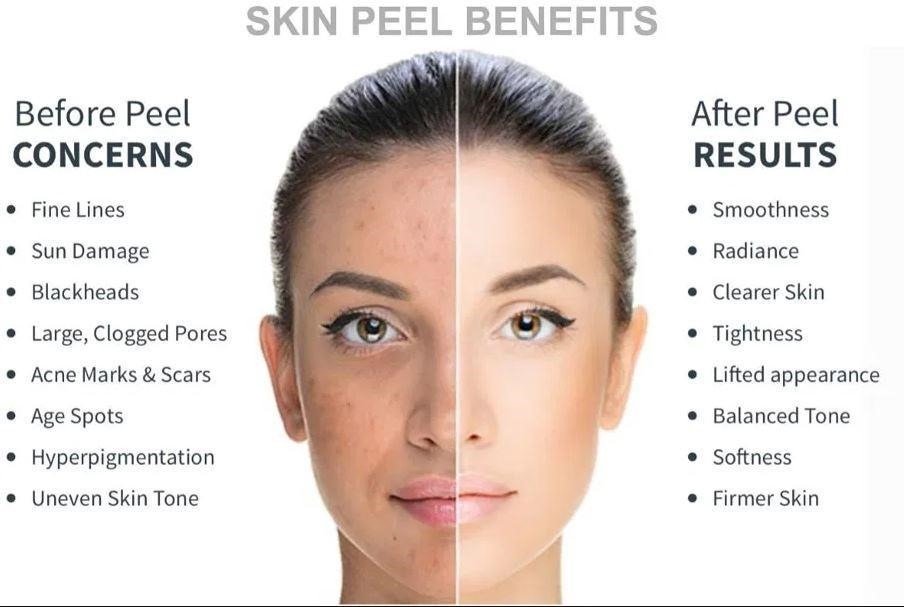
A chemical peel is a dermatological procedure that uses safe chemical solutions to exfoliate the top layers of the skin. This controlled exfoliation stimulates new cell growth and reduces excess melanin. Unlike physical exfoliation, chemical peels penetrate evenly and work at a cellular level. At Apex Clinic, dermatologists carefully select the peel strength based on pigmentation type, skin sensitivity, and treatment goals. As old pigmented cells shed, fresher and more evenly toned skin appears gradually.
Why Chemical Peels Are Effective for Pigmentation ?
Chemical peels treat pigmentation by targeting both surface discoloration and deeper melanin deposits. While creams often work slowly, peels accelerate cell turnover. Moreover, peels improve skin texture and clarity at the same time. Because they stimulate collagen production, they also enhance overall skin health. Many patients choose chemical peels because the treatment addresses multiple skin concerns in one procedure. When performed under expert supervision, peels provide predictable and safe outcomes.
Types of Pigmentation Treated at Apex Clinic
Pigmentation varies in cause and appearance, so identifying the type is essential before treatment. At Apex Clinic, dermatologists evaluate each case carefully.
Melasma, which appears as symmetrical dark patches, often linked to hormonal changes
Post-inflammatory pigmentation, usually caused by acne or skin injury
Sun-induced pigmentation, resulting from prolonged UV exposure
Age-related spots, commonly seen in people over 40 due to cumulative sun damage
Because each type responds differently, treatment planning remains personalized.
Types of Chemical Peels Used for Pigmentation Treatment
Apex Clinic uses medically approved chemical peels that suit Indian skin tones and sensitive skin types. Dermatologists select peels after assessing skin depth and pigmentation severity.
Superficial peels, such as glycolic and lactic acid peels, gently improve mild pigmentation
Medium-depth peels, like TCA peels, target deeper discoloration
Combination peels, which address stubborn pigmentation with controlled intensity
These peels are applied gradually to reduce risks while ensuring visible improvement.
Recovery Timeline and Post-Peel Skin Changes
Recovery after a chemical peel depends on the peel depth and individual skin response. Most patients experience mild redness or dryness for a few days. Superficial peels allow patients to return to daily activities quickly. Medium peels may cause light peeling for up to a week. During recovery, the skin appears brighter and clearer gradually. Apex Clinic provides post-peel guidance to ensure smooth healing and optimal results.
Post-Treatment Care Guidelines for Best Results
Following proper aftercare enhances the success of chemical peel treatments. Apex Clinic emphasizes skin protection and nourishment after every session.
Use broad-spectrum sunscreen daily to prevent pigmentation recurrence
Avoid direct sun exposure during peak hours
Apply prescribed moisturizers to maintain skin hydration
Refrain from using harsh skincare products temporarily
These steps support healing and prevent complications.
Book Appointment with Dr. Neha Rajesh Rathi
If you are experiencing skin, hair, or cosmetic concerns, expert care is just a step away. Dr. Neha Rajesh Rathi, Consultant Dermatologist & Cosmetologist, offers personalized, safe, and result-oriented treatments to enhance skin health, confidence, and overall appearance. With advanced dermatological solutions and a patient-focused approach, she ensures effective care for all skin types and concerns.Call us to book your appointment today.